
Facade Molding and Decor: The Art of Enhancing Modern Buildings (and Why It Matters)
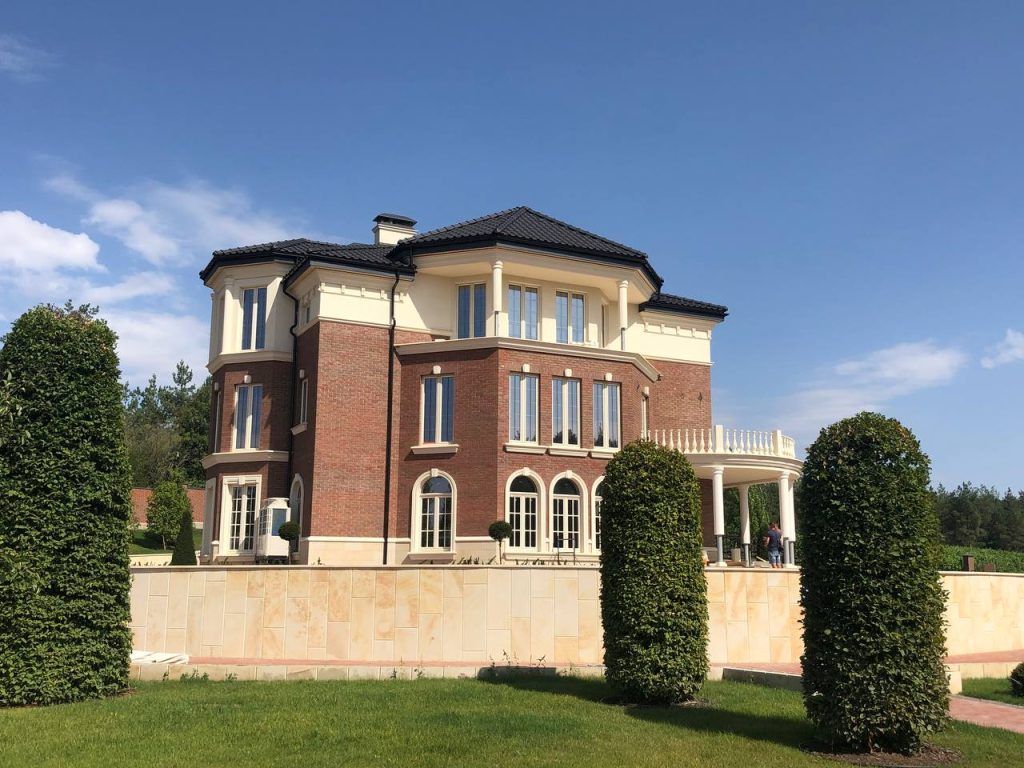
Facade molding and decorative elements have always played an important role in architecture. They give buildings individuality, emphasize their style, and make their appearance more expressive. Today, facade decor remains popular for both public and private buildings. It is used in various architectural styles — from classic to minimalist designs.
In this article, we will explain how facade molding enhances buildings, what decorative elements are commonly used, and how they influence the perception of architecture.
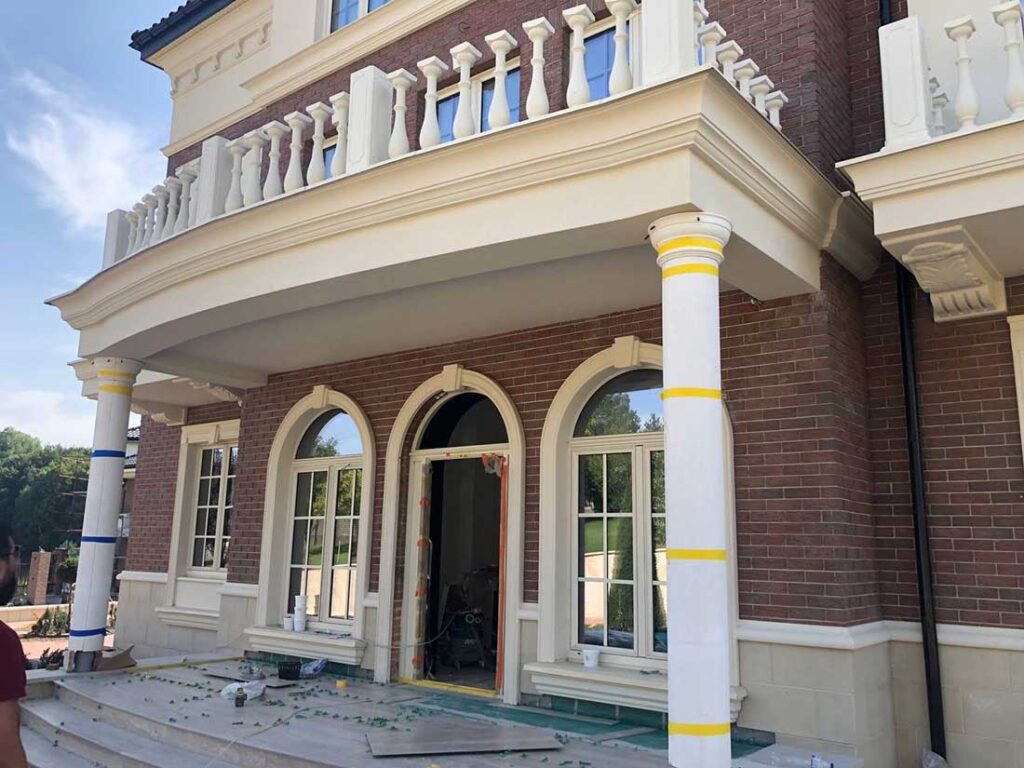
Facade Molding: A Connection Between Tradition and Modernity
Facade decor and molding originated in ancient times, when architects of Ancient Greece and Rome decorated buildings with columns, cornices, pilasters, and bas-reliefs. In later centuries, molding became an essential part of Renaissance, Baroque, Classical, and Empire architectural styles.
Today, despite the development of modern construction technologies, facade molding remains highly relevant. It adds aesthetic appeal to buildings, emphasizes their status, and can even help conceal certain structural imperfections. Modern materials make facade decor more affordable, lightweight, and durable.
Main Elements of Facade Decor and Their Functions
Each decorative element serves its own purpose and contributes to the overall appearance of a building.
1. Cornices — Completion and Protection
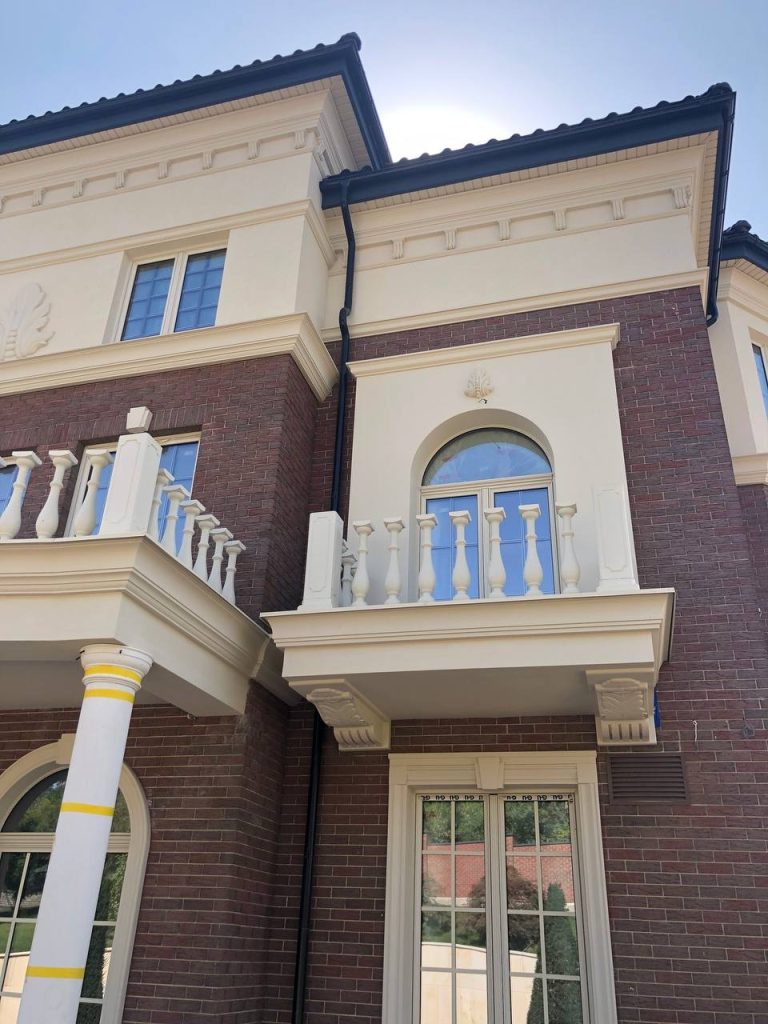
A cornice is a horizontal projecting element located beneath the roof or between floors.
Its main functions include:
- emphasizing the lines of the facade and creating a harmonious appearance;
- protecting walls from rainwater and preventing damage to the exterior finish.
Cornices can be simple and minimalistic or richly decorated with ornamental details.
2. Columns and Pilasters — Monumentality and Structure
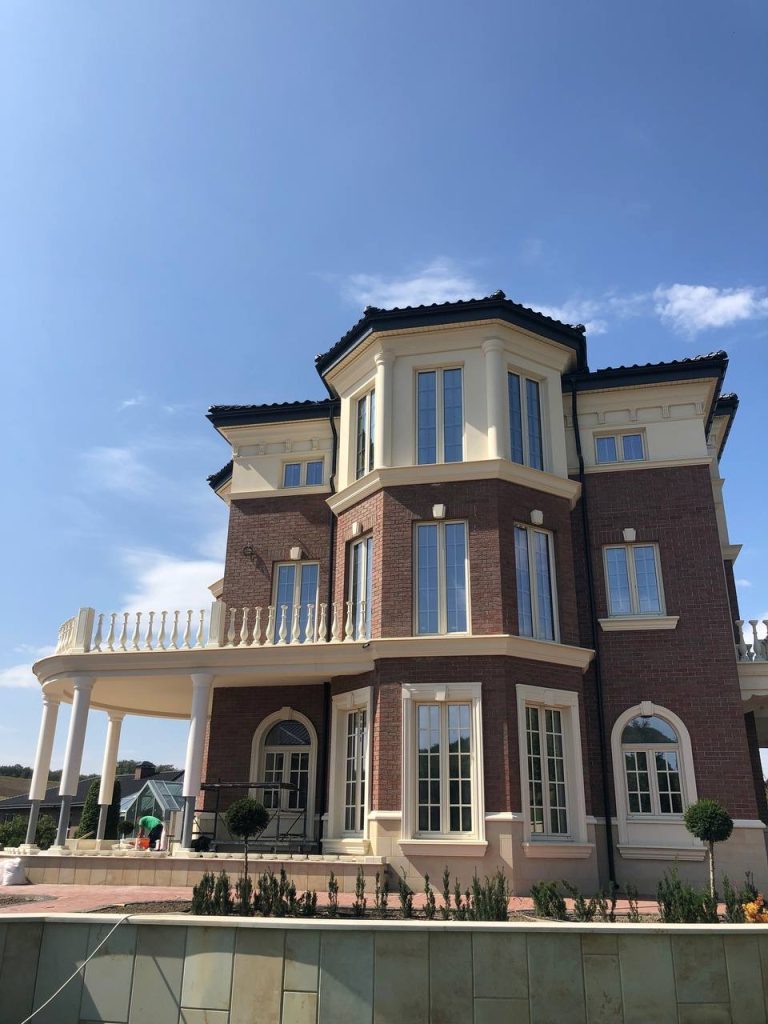
Columns add grandeur and elegance to a building. Pilasters help structure the facade and emphasize the building’s vertical lines.
Decorative capitals and bases provide additional expressiveness to these architectural elements.
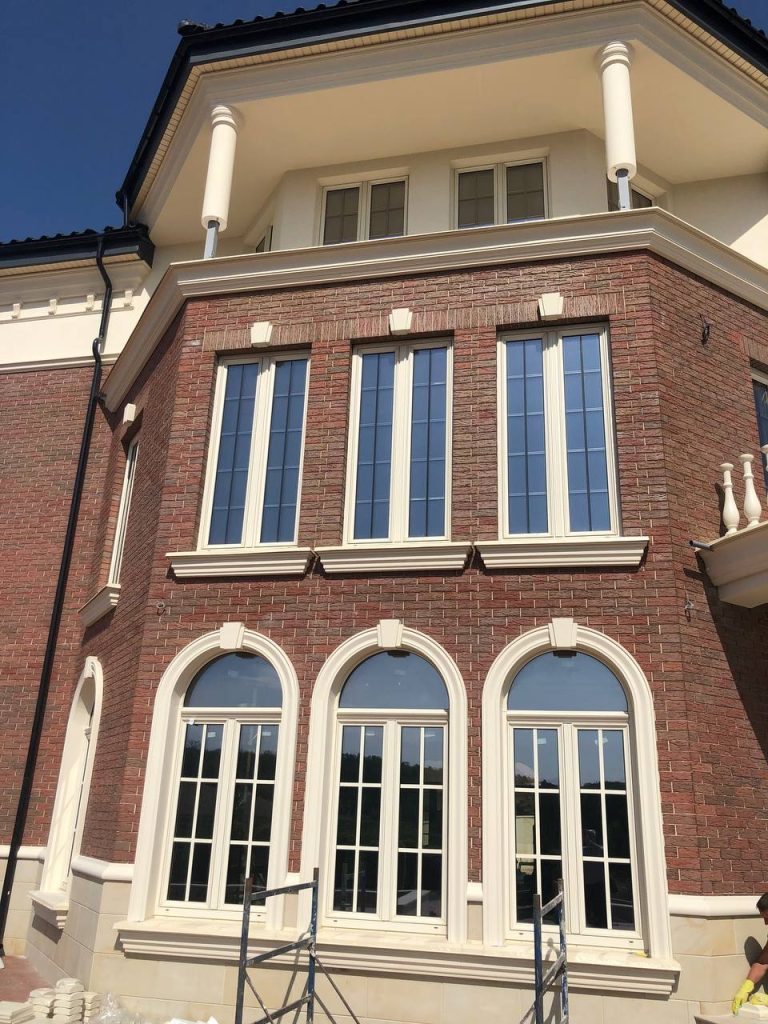
Window Moldings — Decorative Window Framing
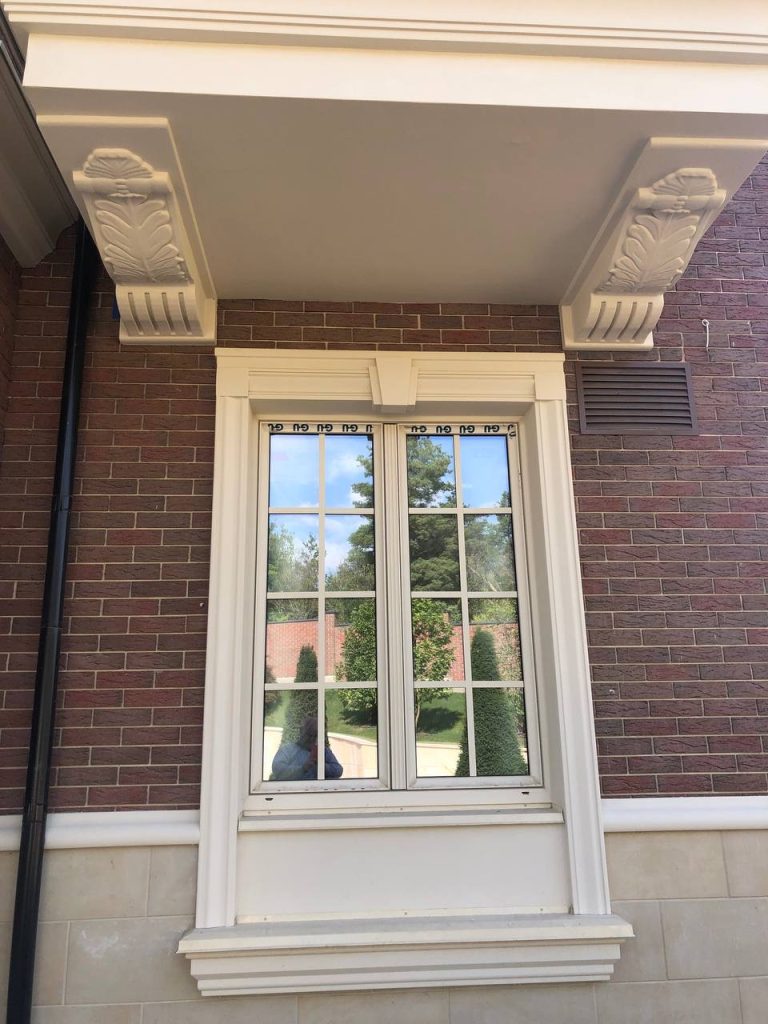
Window moldings decorate window openings and:
- make windows more expressive;
- visually alter the proportions of openings;
- give the facade a finished appearance.
In classical architecture, window moldings are often complemented with keystones.
4. Pediments — Accents Above Windows and Doors
Pediments are decorative projections above windows or doors. They make the facade more expressive and partially protect openings from precipitation.
They are often combined with decorative brackets or bas-reliefs.
5. Moldings — Decorative Lines and Borders
Moldings help divide the facade into levels, highlight architectural elements, and frame niches or windows.
They make the facade look more structured and harmonious.
6. Bas-Reliefs and Decorative Panels — Artistic Accents
Bas-reliefs are three-dimensional decorative compositions featuring ornaments, symbols, or figures.
They are most commonly used in classical architecture and historical restorations.
7. Brackets — Support and Volume
Brackets support cornices, pediments, or balconies while adding volume and architectural complexity to the facade.
8. Decorative Rustication — Textured Facades
Rustication is a technique used to create relief joints or imitate large stone blocks on facades.
This finish gives buildings a sense of strength, solidity, and classical architectural character.
How Does Facade Decor Influence the Perception of a Building?
Facade molding performs not only a decorative but also an emotional function.
- Massive columns, cornices, and bas-reliefs create a sense of prestige and monumentality.
- Elegant moldings and decorative window frames add lightness and sophistication.
- Classical facade decor makes a home feel warm and welcoming.
- Modern minimalist elements emphasize the geometry of a building and create a stylish contemporary appearance.
Where Is Facade Decor Used?
Public Buildings
Facade molding is widely used in the architecture of theaters, museums, hotels, educational institutions, and administrative buildings. It helps emphasize the status and significance of a structure.
Private Homes and Cottages
Homeowners increasingly use facade decor to create a unique architectural style and a more expressive appearance for their houses.
Residential Complexes
In modern residential developments, facade decor helps highlight individual sections, decorate entrance areas, and create architectural accents.
Conclusion
Facade molding and decorative elements continue to play an important role in modern architecture. They make buildings more harmonious, expressive, and visually appealing.
Modern technologies make it possible to create durable and affordable decorative elements suitable for both classical and contemporary architectural styles. Regardless of architectural direction, facade decor remains one of the most effective tools for creating a unique exterior appearance.
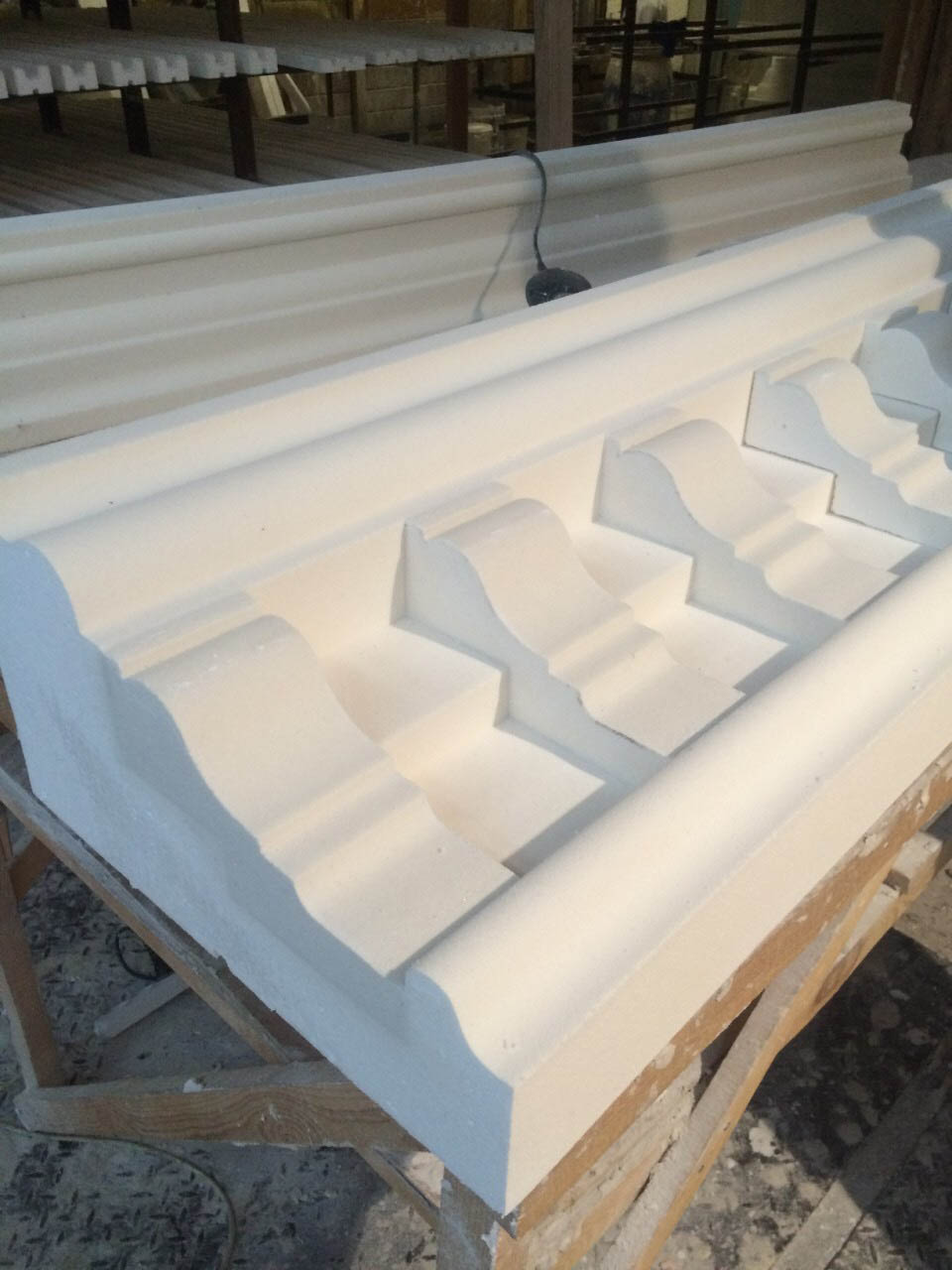
A little about our production TEST EN
As of the publication of this post, our production facilities in Kyiv, Odesa, Kharkiv, Lviv, Zakarpattia, Poltava, and other regions of Ukraine, as well as abroad (France, the Netherlands, the Czech Republic, Spain…), have fulfilled hundreds of orders. Hundreds of kilometers of decorative elements have been installed. It’s true—we can produce a large number of […]
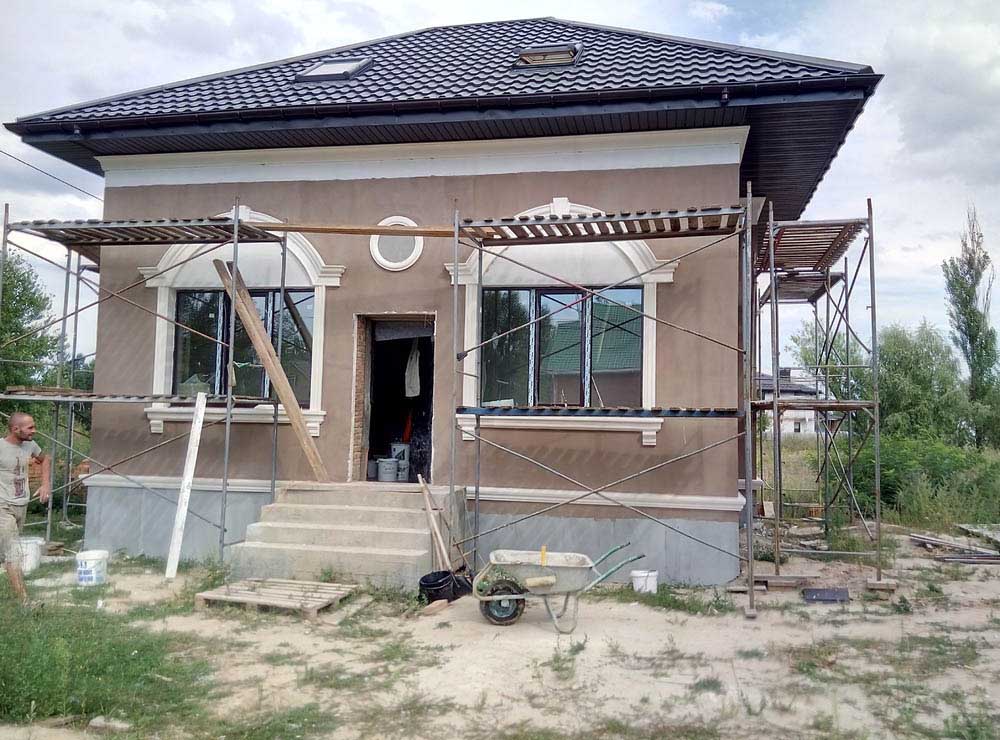
Facade Decor — Installation Guidelines
Until recently, facade decoration was considered a luxury. Today, facade decor is affordable for almost everyone and remains highly popular. Installing decorative polystyrene elements does not require advanced professional skills, which means that, if desired, you can improve the appearance of a building even on your own. Surface Preparation The facade surface must meet the […]
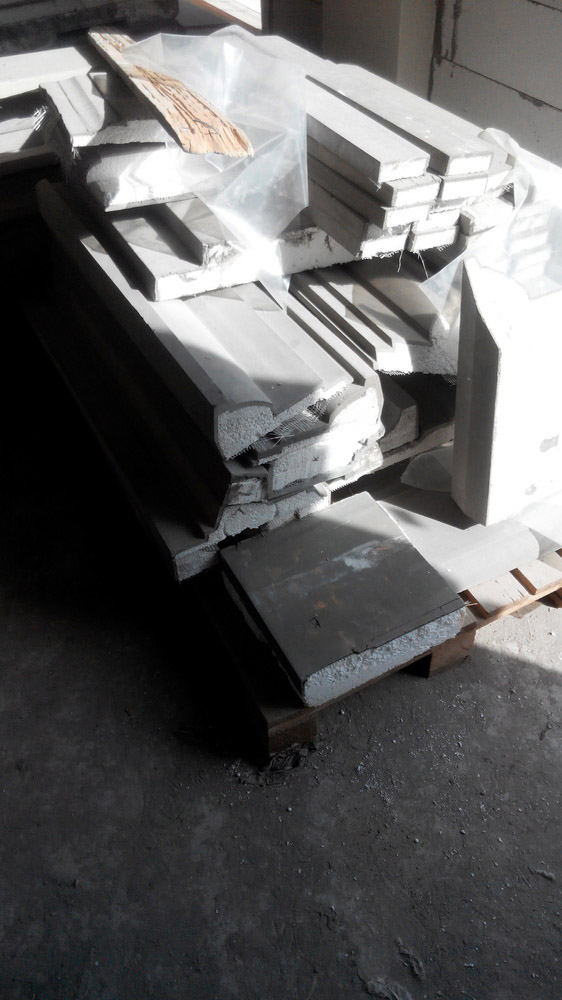
How Is Decor with Cement Coating Manufactured?
In most cases, the simplest cement adhesive is used (preferably facade-grade), diluted with acrylic primer. To make it sound more professional, it is often referred to as a plasticizer. Therefore, if you see a gray-colored decorative element and are told that it has an acrylic coating — to put it mildly, this is not entirely […]